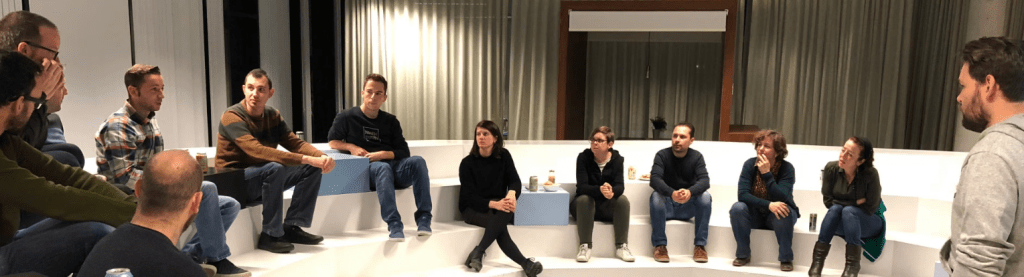
8:00 – 9:00 CET
Arrival & Welcome with breakfast
9:00 – 9:15 CET
Introduction of the day
9:15 – 12:00 CET
9:15-9:45 – Joep Schuurkes: Testing: harder, better, faster, stronger?
In the past 20 years I’ve seen the challenges testers face increase dramatically. When I started, I was in a separate test team. We had weeks to do our thing based on extensive documentation. We were forbidden to come near the production environment. And we had one simple goal: deliver a release advice. Arguably, things were a lot easier than they are now.
These days as a tester, you’re more likely to be a member of an Agile/DevOps team. The pace is higher. The required skill set is broader. And you have to look at an even bigger picture. At least the programmers do better testing now (mostly). And some teams go one step further and no longer have test engineers. They have quality engineers.
Of course, the industry didn’t go from separate test teams to quality engineers overnight. And plenty of organisations wouldn’t know what to do with a quality engineer even if they could find one. As William Gibson said: the future is unevenly distributed.
In this talk I will be reflecting on my experiences of living through these changes and on what might be in store for the future. But be warned: I have more questions than I have answers.
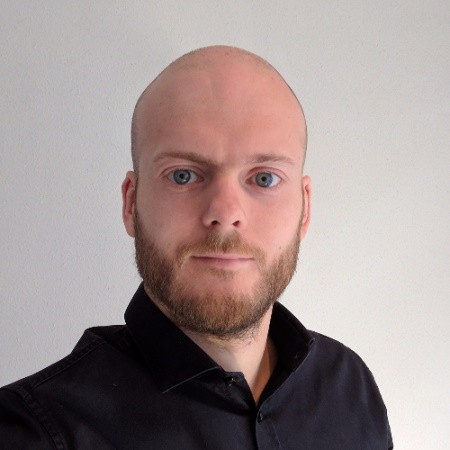
Bio
Joep wandered into software testing in 2006. After a decade of both exploratory testing and test automation, his focus shifted to a bigger question. How can teams and organizations build and deliver good software? To answer that question, he has been exploring topics such as technical leadership, quality engineering, and software methodologies.
Currently Joep is working as a staff test engineer at the Dutch Electoral Council (Kiesraad). He has given talks and workshops throughout Europe. He’s also one of the organizers of the Friends of Good Software unconference.
9:45-10:15 – Dries Wouters: Opinionated Test Automation: Principles for Building Reliable and Maintainable Unit Tests.
When working in a complex, agile software environment, ensuring quality through automated testing is more critical than ever, yet many development teams still struggle with flaky tests, tight coupling, and unclear testing strategies.
This session introduces a set of best practices, principles, and patterns that underpin effective unit testing for back-end services. We’ll explore what makes a unit test “good” (fast, reliable, and resistant to change), and how techniques like test doubles, and test data builders can dramatically improve the clarity and maintainability of your tests.
Throughout the session, you’ll discover opinionated yet pragmatic guidelines for mocking, test harness construction, and maintaining test resilience in evolving systems. Whether you’re a developer, QA engineer, or software architect, this talk will equip you with modern strategies to write automated tests that scale with your systems and support the dynamic nature of software development.
The talk is ideal for both entry level, and intermediate profiles, interested in the technical aspects of software QA. A general understanding of software development (programming) will help you better understand the proposed concepts, while clear diagrams provide higher-level insights for a less technical audience. Don’t let the technical nature of the talk scare you.

Bio
Dries Wouters is a technical software QA engineer working as a consultant and coach for AE, with more than 5 years of experience in the industry, and a degree in applied informatics. During his career he worked with numerous development teams, programming languages, test automation frameworks, and tools to support all levels of the testing pyramid. His interests in science, and a solid background in software development help him understand all aspects of the SDLC and guide him on his quest to improve the quality of our modern application landscape.
10:30-11:00 – Sepp Van Cauwenbergh: Self-Healing is a lie, but good design isn’t
Test automation isn’t about building the biggest, most complex framework. It’s about building with purpose.
As someone who supports multiple customers and teams, I’ve learned the hard way how overengineering leads to fragile solutions that don’t scale. In contrast, thoughtful design and practical architecture can make automation frameworks resilient, reusable, and maintainable across people, projects, and platforms.
In this talk, I’ll challenge the hype around “self-healing” tests, a misleading buzzword that promises magic but often delivers complexity. I’ll elaborate on what “resilience” really means in the context of test automation and explore proven strategies to build smart, stable frameworks that survive real-world conditions.
Good automation isn’t about miracles. It’s about solid engineering.
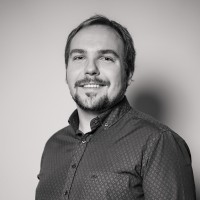
Bio
Sepp Van Cauwenbergh is the Domain Lead for Functional Test Automation at Brightest, a software quality consultancy company. With over a decade of hands-on experience, he helps teams and organizations kickstart and improve their test automation practices. Sepp is a firm believer in using the right tool for the right job. You don’t always need a bazooka to kill a fly, sometimes a flyswatter is enough to keep automation practical, maintainable, reliable and scalable across diverse teams and tech stacks.
11:00-11:30 – Koen Van Belle: Becoming a full stack tester
We’re all familiar with the concept of a full-stack developer, but what about full-stack testing? As development practices evolve, the question arises: should testing professionals evolve alongside our developer colleagues?
This talk explores the emerging role of the full-stack tester—what it means, why it matters, and how to make the transition. I’ll cover the essential skills, tools, and mindset shifts required to become a well-rounded testing professional who can contribute across the entire technology stack. Whether you’re curious about expanding your testing capabilities or wondering if full-stack testing is the right path for your career, this session will provide practical insights and actionable guidance to help you make informed decisions about your professional development.

Bio
As a former support engineer, I witnessed firsthand how bugs frustrated and annoyed users—and found myself on the front lines of that frustration. This experience sparked my transition into testing, beginning as a manual tester, evolving into a test automation engineer, and ultimately becoming a full-stack tester. My journey took over a decade to reach this point, and now I’m passionate about helping others accelerate their own path in quality assurance. I’m dedicated to sharing the insights and strategies I’ve learned to help aspiring testers reach their goals faster than I did.
11:30-12:00 – Emna Ayadi: My Journey Through the Hidden Realities of Quality Coaching
Discover the Quality Coach Role and their Toolbox
When I stepped into the role of a quality coach after working as a Test Lead, I was energized and confident. I had a solid foundation in testing, strong facilitation skills, and a passion for mentoring. I thought I was ready. But the reality turned out to be far more complex than I had anticipated.
Supporting multiple teams as a quality coach introduced me to a whole new level of challenges. I wasn’t just solving testing problems anymore. I was navigating agile dynamics, DevOps hurdles, and organizational expectations that weren’t always clear or aligned. One of the biggest challenges I faced was understanding and clarifying what “better test coverage” actually meant to leadership, and then translating that into meaningful goals for the teams I was coaching.
I quickly realized that coaching isn’t about having all the answers. It’s about asking the right questions, setting the right context, and helping teams prioritize quality in a way that fits their reality. And doing all of that while trying to show visible impact in a short time frame is no small feat.
In this talk, I’ll take you through my journey what worked, what didn’t, and what I wish I had known from the start. I’ll share the tools and techniques I now rely on to guide teams toward building a stronger quality mindset and making meaningful progress. You’ll hear how I help teams take ownership of their quality practices in a way that aligns with their goals and context.
As we wrap up, I’ll open the floor to a conversation we all need to have. What does quality coaching look like in the age of AI? The challenges are evolving, and so must we.
Learning Outcomes:
- Understand what a quality coach contributes to teams and the broader organization
- Uncover the unknown unknowns of quality coaching and learn how to navigate potential pitfalls
- Discover tools that can support your quality coaching journey
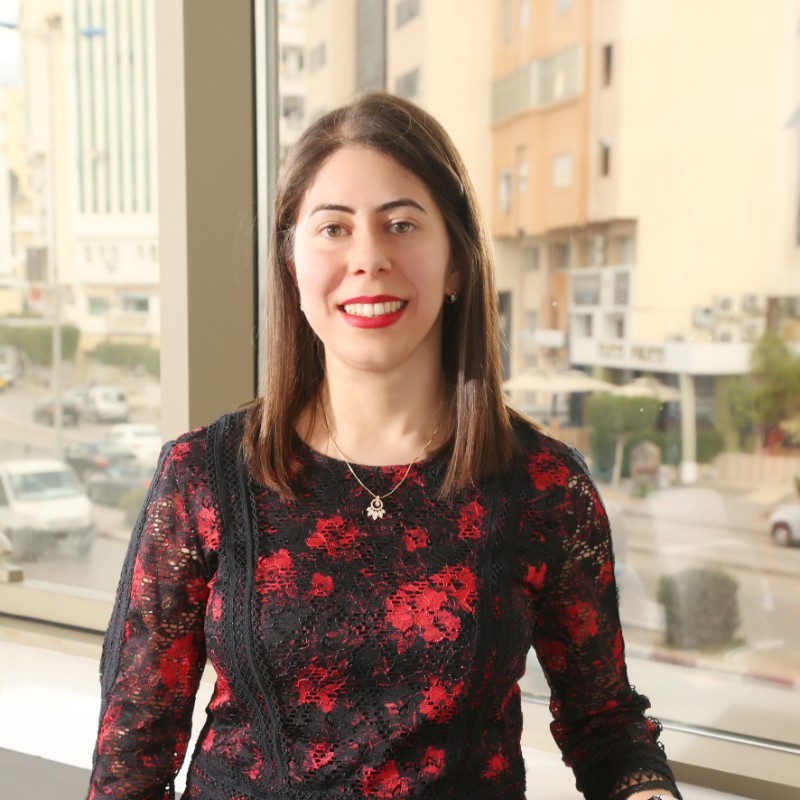
Bio : Emna is a passionate tester from Tunisia, who started her career in IT in 2015. She got the chance to work on multinational projects combined between testing and quality coaching roles. Currently, she works at Sogeti France. She is an international speaker and workshop facilitator. She has spoken at several testing and agile conferences. She has contributed to 2 books, one as a co-author and one as translator.
12:00 – 13:00 CET
Lunch
13:00 – 18:00 CET
Open Space (45minute slots)
18:00 CET
Closing note followed by a nice warm meal at the end the day.
Networking
 BREWT
BREWT 